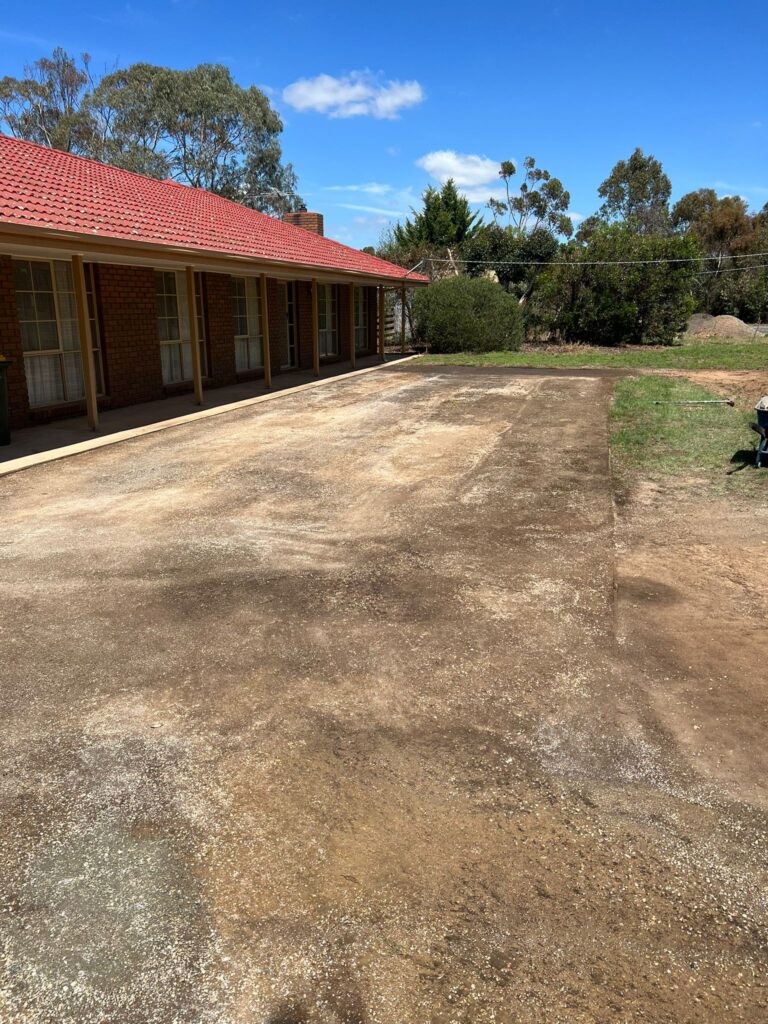
Asphalt is a durable and practical surfacing material used for driveways, roads, car parks and commercial access areas. However, even a professionally installed asphalt surface will experience gradual wear from traffic, environmental exposure and everyday use. Without appropriate maintenance, small defects can develop into more extensive problems that require significant repair work.
Preventative asphalt maintenance focuses on identifying and addressing deterioration before it affects larger sections of the pavement. Rather than waiting for potholes, extensive cracking or structural damage to develop, regular inspections and timely repairs help preserve the condition of the existing surface.
For property owners and businesses in Coburg, VIC, maintaining asphalt before serious deterioration occurs is an effective way to protect the pavement’s long-term performance. At Coburg Road Tech, we understand the importance of keeping asphalt surfaces in good condition through appropriate repairs, resurfacing and ongoing pavement care.
How Does Preventative Asphalt Maintenance Reduce Long-Term Repair Requirements?
Preventative maintenance involves monitoring the condition of an asphalt surface and carrying out suitable treatments before minor defects become more extensive.
Asphalt pavements are designed to distribute vehicle loads through the wearing surface and supporting layers. When the pavement remains intact, these layers work together to provide stable vehicle access.
However, cracks, potholes and surface deterioration can allow moisture to enter or create areas of concentrated stress.
As damage progresses, the supporting pavement may weaken, making repairs more complicated.
Preventative maintenance helps interrupt this process by addressing problems while they are still manageable.
1. Small Cracks Can Be Addressed Before They Spread
Cracking is one of the earliest signs that an asphalt surface may require attention.
Fine cracks can develop as the bitumen binder ages, temperature changes place stress on the pavement or repeated vehicle movements affect the surface.
Although a small crack may initially appear insignificant, it can gradually widen under traffic.
As the opening becomes larger, moisture and loose material may enter the pavement.
Where the surrounding asphalt remains stable, appropriate crack treatments can help limit water penetration and slow further deterioration.
However, cracks caused by an unstable base require a different approach.
Identifying the cause early helps determine whether a localised repair is suitable or whether deeper pavement work is necessary.
2. Early Repairs Help Prevent Pothole Formation
Potholes often develop when existing pavement defects allow moisture to enter and weaken the supporting materials.
Repeated vehicle loading can then cause the asphalt around the damaged area to crack and break apart.
A small defect may gradually become a deeper opening as loose material is displaced.
Preventative maintenance helps identify vulnerable areas before this process becomes advanced.
Repairing suitable cracks, addressing localised surface damage and maintaining drainage can reduce the likelihood of potholes developing.
Where a pothole has already formed, professional assessment is important to determine whether the damage extends into the supporting base.
3. Maintaining Drainage Protects the Asphalt Foundation
Water is one of the most important factors affecting asphalt pavement performance.
A properly constructed surface should have suitable levels that encourage rainfall to drain away from trafficked areas.
However, blocked drainage paths, surface depressions and damaged pavement edges can allow water to accumulate.
If moisture enters the supporting base, it may reduce the stability of the pavement structure.
This can contribute to cracking, settlement and deformation under repeated vehicle loading.
Preventative maintenance should therefore include checking for:
- Water collecting in wheel tracks
- Blocked drainage outlets
- Depressions where rainfall remains after surrounding areas have drained
- Cracks near drainage points
- Deteriorating pavement edges
- Areas where runoff repeatedly crosses the asphalt
Addressing drainage problems early can help protect both the wearing surface and the foundation beneath it.
4. Preventative Maintenance Helps Preserve the Existing Asphalt
When an asphalt surface remains structurally sound, many forms of deterioration can be addressed through targeted maintenance.
Small damaged sections may require localised repairs rather than extensive reconstruction.
This helps preserve suitable pavement materials that remain capable of supporting regular traffic.
For example, isolated surface wear does not necessarily mean an entire driveway or car park requires replacement.
Professional inspection can help determine which sections remain serviceable and which require attention.
Maintaining the existing pavement where appropriate can reduce unnecessary disruption and avoid more extensive work.
5. Early Attention Can Reduce the Spread of Surface Ravelling
Ravelling occurs when aggregate particles begin separating from the asphalt surface.
It may develop as the bitumen binder ages, loses adhesion or is affected by moisture and other pavement conditions.
Early ravelling often appears as a roughened surface with small loose stones.
If deterioration continues, larger aggregate particles may become dislodged, leaving the pavement increasingly uneven.
Preventative maintenance helps identify these changes before extensive material loss occurs.
Depending on the condition of the asphalt, suitable repairs or resurfacing may help restore the wearing layer.
The correct treatment depends on whether the problem is limited to the surface or involves deeper pavement weakness.
6. Regular Inspections Help Identify Hidden Structural Problems
Not every asphalt defect originates in the visible wearing surface.
Cracking, depressions and rutting may indicate movement within the supporting base or underlying ground.
If these problems are overlooked, repeated surface repairs may fail to address the actual cause.
Regular inspections can help identify warning signs such as:
- Cracks returning after previous repairs
- Wheel ruts becoming deeper
- Localised settlement
- Potholes forming repeatedly in the same location
- Uneven pavement levels
- Cracking accompanied by visible movement
Recognising these symptoms early allows the pavement to be assessed before deterioration spreads into surrounding areas.
Where structural weakness is present, repairs should address the supporting layers rather than simply cover the damaged surface.
7. Preventative Maintenance Can Extend Pavement Service Life
Asphalt naturally ages over time.
Exposure to oxygen, sunlight, temperature changes and vehicle loading gradually affects the bitumen binder and pavement structure.
Although this ageing process cannot be eliminated, suitable maintenance can help slow the progression of certain defects.
By maintaining drainage, repairing localised damage and monitoring surface wear, property owners can help preserve the pavement’s condition.
The objective is to keep the existing asphalt performing effectively for as long as its structure remains suitable.
This is particularly valuable for larger paved areas where deterioration can affect substantial sections if left unattended.
8. Maintaining Asphalt Helps Prevent Repeated Repairs
Recurring pavement damage can indicate that previous repairs did not address the underlying cause.
For example, a pothole may be repaired successfully at the surface, but if water continues weakening the supporting base, deterioration can return.
Similarly, cracks caused by ongoing settlement may reopen after a surface treatment.
Preventative maintenance should involve more than repeatedly filling visible defects.
A professional assessment considers drainage, pavement support, traffic patterns and the condition of surrounding asphalt.
Addressing the cause of recurring deterioration can help reduce the need for repeated work in the same location.
9. Well-Maintained Asphalt Supports Reliable Vehicle Access
Damaged asphalt can make everyday vehicle movements less comfortable and predictable.
Potholes, deep ruts and uneven sections may require drivers to slow down or change their route across the pavement.
For commercial premises, deteriorating access areas can also interfere with parking, deliveries and regular vehicle circulation.
Preventative maintenance helps keep the surface smoother and more consistent.
This is particularly important for:
- Residential driveways
- Commercial car parks
- Private access roads
- Loading and delivery areas
- Industrial hardstands
- Frequently used vehicle entrances
Maintaining these surfaces helps preserve dependable access while reducing the likelihood of more disruptive repairs becoming necessary.
10. Pavement Edges Benefit From Early Maintenance
Asphalt edges can be vulnerable where the surrounding ground provides insufficient support.
Vehicles travelling close to the boundary may place repeated pressure on these sections.
Over time, the edges may begin cracking or breaking away.
Once deterioration develops, moisture can enter the exposed pavement layers and contribute to further damage.
Preventative maintenance involves inspecting pavement boundaries for cracking, settlement and material loss.
Where necessary, professional repairs can restore the damaged edge and address inadequate support.
Maintaining the edges helps prevent deterioration from spreading towards the main trafficked surface.
11. Timely Resurfacing Can Prevent More Extensive Breakdown
Asphalt resurfacing can be an effective maintenance option when the wearing layer has deteriorated but the supporting pavement remains structurally suitable.
Over time, asphalt may become rough, brittle or affected by widespread surface cracking.
If the underlying base remains stable, installing a new asphalt wearing course after appropriate preparation may restore the surface.
Resurfacing can help renew pavement performance before deterioration becomes severe enough to require more extensive reconstruction.
However, resurfacing is not suitable for every damaged pavement.
Where significant settlement, fatigue cracking or base instability is present, structural repairs may be required first.
Professional assessment helps determine the appropriate timing and treatment.
12. Preventative Maintenance Helps Manage Heavy Traffic Areas
Some pavement sections experience greater stress than others.
Entrances, turning areas, loading zones and frequently used wheel paths are often exposed to concentrated vehicle movements.
Repeated braking, acceleration and turning can contribute to surface wear and deformation.
Where heavier vehicles are involved, the supporting pavement must also have sufficient structural capacity.
Preventative maintenance should pay particular attention to these locations.
Early signs of rutting, cracking or surface breakdown may indicate that the pavement is experiencing greater stress than surrounding areas.
Addressing these defects promptly can help prevent localised damage from becoming more extensive.
13. Maintaining Surface Levels Reduces Water Accumulation
Asphalt pavements should be constructed with suitable gradients to encourage effective drainage.
However, settlement and deformation can gradually change the original surface levels.
Low points may develop where water begins collecting after rainfall.
These areas can become increasingly vulnerable if moisture enters cracks or weakened sections.
Regular inspections help identify changes in pavement levels before significant deterioration develops.
Where appropriate, localised repairs or resurfacing may help restore suitable surface conditions.
If the depression results from foundation instability, the underlying cause should be corrected before the surface is reinstated.
14. Preventative Maintenance Helps Protect Larger Paved Areas
Large car parks, access roads and commercial hardstands can contain areas with different levels of wear.
Some sections may remain in good condition, while others experience deterioration due to concentrated traffic or drainage conditions.
A preventative maintenance approach allows these areas to be assessed individually.
Rather than waiting until widespread damage develops, attention can be directed towards sections showing early signs of wear.
This helps preserve serviceable pavement while identifying areas that require repairs or resurfacing.
For businesses in Coburg, maintaining larger asphalt areas can support consistent access and reduce the likelihood of extensive pavement disruption.
What Are the Early Signs That Asphalt Needs Maintenance?
Recognising deterioration early is an important part of preventative pavement care.
Common warning signs include:
- Fine cracks appearing across the surface
- Small potholes beginning to form
- Loose aggregate or surface ravelling
- Water collecting in depressions
- Minor wheel ruts
- Crumbling pavement edges
- Rough patches becoming more noticeable
- Previous repairs beginning to deteriorate
- Cracks spreading around heavily trafficked sections
These symptoms do not always indicate serious structural failure.
However, they provide useful reasons to arrange an inspection and determine whether maintenance is required.
How Often Should Asphalt Be Inspected?
There is no single inspection schedule suitable for every asphalt pavement.
The appropriate frequency depends on the surface’s age, traffic loading, drainage conditions and previous maintenance history.
A lightly used residential driveway may experience different deterioration patterns from a commercial car park or heavily trafficked access road.
Property owners should also inspect the pavement after significant rainfall or whenever new damage becomes visible.
Particular attention should be given to areas where water collects, vehicles turn frequently or previous repairs have been completed.
Regular monitoring makes it easier to recognise changes before they become substantial problems.
Why Professional Asphalt Maintenance Is Important
Effective preventative maintenance requires an understanding of how asphalt pavements deteriorate.
A small crack may be caused by ordinary binder ageing, while a similar-looking defect could indicate movement within the supporting base.
Selecting the wrong repair method may provide only a temporary improvement.
Professional assessment helps identify the cause of deterioration and determine whether the pavement requires localised repairs, resurfacing or additional structural preparation.
At Coburg Road Tech, we understand the importance of maintaining asphalt surfaces through appropriate repairs and resurfacing.
For property owners and businesses in Coburg, VIC, a considered maintenance approach can help preserve existing pavements and support reliable long-term performance.
Conclusion
Preventative asphalt maintenance can reduce long-term repair requirements by addressing deterioration before it becomes more extensive.
Small cracks, drainage problems, loose aggregate and localised surface damage are often easier to manage when identified early.
Regular inspections and timely repairs can help protect the supporting pavement, preserve serviceable asphalt and reduce the likelihood of recurring potholes, settlement and widespread cracking.
Where the foundation remains stable, resurfacing may also provide an effective way to renew an ageing wearing layer before more extensive deterioration develops.
For property owners and businesses in Coburg, VIC, Coburg Road Tech provides professional asphalt and bitumen surfacing, repairs and resurfacing services.
If your driveway, road, car park or hardstand is showing early signs of wear, contact Coburg Road Tech to arrange an assessment and discuss the most appropriate maintenance or resurfacing solution for your property.
Call us on: 03 4159 2883
Click here to find out more about Coburg Road Tech
Click here to complete our contact form and see how we can help with your driveway needs.