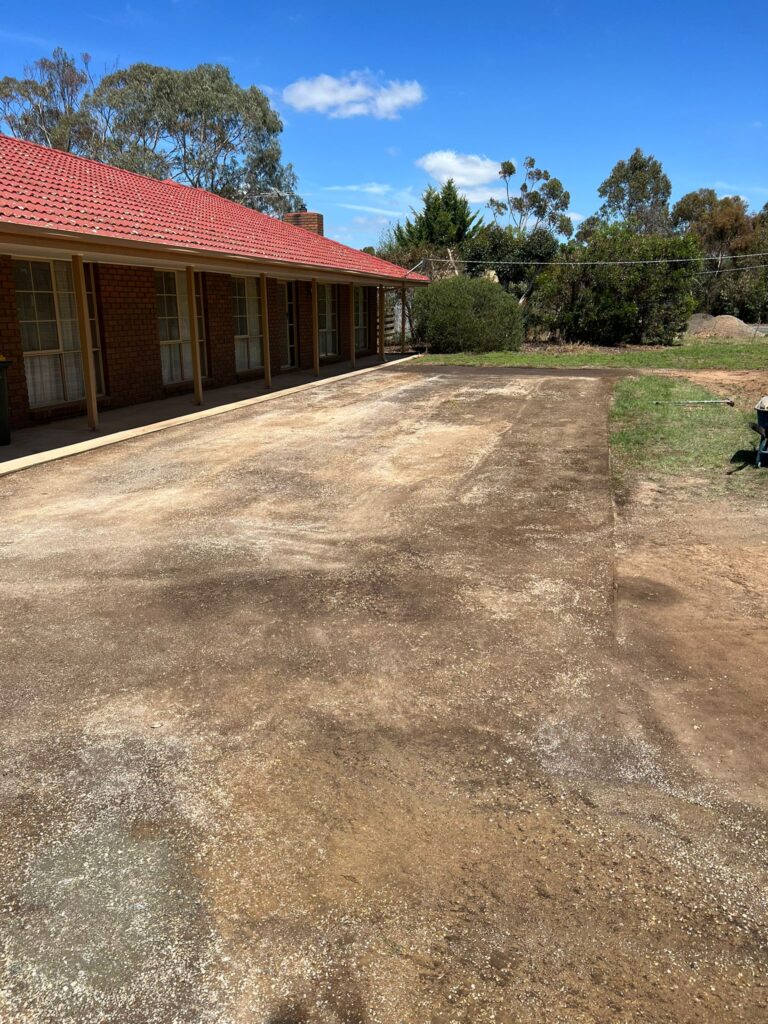
Hardstands are designed to provide strong, stable surfaces for vehicles, machinery, and operational activities. When constructed correctly, they can withstand heavy loads and frequent use. However, over time, some hardstands may develop cracking or deformation that affects both performance and safety.
For property owners and businesses in Coburg, VIC, understanding what causes these issues is essential for preventing damage and maintaining reliable surfaces.
Inadequate Ground Preparation
One of the most common causes of cracking and deformation is poor ground preparation. If the underlying soil is not properly stabilised or unsuitable materials are left in place, the surface may not have the support it needs.
Weak or inconsistent ground conditions can lead to movement beneath the hardstand, causing stress on the asphalt layer above. This often results in cracking or uneven sections developing over time.
Proper site preparation ensures the foundation is stable and capable of supporting the intended load.
Insufficient Base Construction
The base layers of a hardstand play a critical role in distributing weight and maintaining structural integrity. If these layers are too thin, poorly compacted, or uneven, the surface will be more vulnerable to damage.
Without a strong base, heavy vehicles and machinery can create pressure points that lead to deformation, such as rutting or depressions. Cracking may also occur as the surface struggles to accommodate these stresses.
For hardstands in Coburg, VIC, ensuring the base is constructed to suit the expected use is essential for long-term performance.
Heavy and Repeated Loads
Hardstands are often used in environments where heavy vehicles and equipment are in constant operation. While they are designed to handle significant loads, excessive or concentrated pressure can still cause wear over time.
Areas where vehicles frequently turn, stop, or park tend to experience higher stress. This can lead to surface fatigue, resulting in cracking or gradual deformation.
Designing the hardstand to match the level of use helps reduce the impact of heavy traffic.
Poor Drainage and Water Ingress
Water is a major factor in the deterioration of hardstands. If drainage is not properly managed, water can accumulate on or beneath the surface.
Moisture can weaken the base layers, reducing their ability to support loads. As the structure becomes compromised, cracking and deformation are more likely to occur.
Proper grading and drainage during construction help direct water away from the surface, protecting the integrity of the hardstand.
Temperature Changes and Environmental Stress
Asphalt surfaces expand and contract with changes in temperature. Over time, repeated exposure to heat and cooler conditions can place stress on the material.
If the surface is not constructed with sufficient flexibility or support, this movement can contribute to cracking. Environmental exposure can also gradually affect the binding properties of the bitumen, leading to surface wear.
In Coburg, VIC, considering environmental conditions during construction helps ensure the hardstand performs reliably.
Edge Weakness and Lack of Support
The edges of a hardstand are often more vulnerable than the central areas. Without proper support, edges can begin to break down under the weight of vehicles travelling close to them.
Once edge deterioration begins, it can spread inward and affect a larger portion of the surface. This can lead to both cracking and deformation over time.
Reinforcing edges during construction helps maintain the strength of the entire surface.
Lack of Ongoing Maintenance
Even well-constructed hardstands require regular attention to maintain their condition. Small cracks or minor surface issues can develop over time and may worsen if not addressed.
Without maintenance, these issues can expand and lead to more significant structural problems. Regular inspections and timely repairs help prevent cracking and deformation from progressing.
The Importance of Professional Construction and Assessment
Preventing cracking and deformation begins with proper design and construction. Professional contractors understand how to prepare the ground, build a strong base, and apply asphalt in a way that supports long-term performance.
They also provide guidance on maintaining the surface and addressing any issues early. This ensures the hardstand continues to meet the demands of its intended use.
At Coburg Road Tech, we focus on delivering professionally constructed and maintained hardstands designed to perform reliably for properties in Coburg, VIC.
Conclusion
Cracking and deformation in hardstands are often caused by factors such as poor ground preparation, inadequate base construction, heavy loads, drainage issues, and environmental conditions. These problems can affect both the safety and functionality of the surface if not addressed.
For property owners and businesses in Coburg, VIC, understanding these causes helps ensure that hardstands are constructed and maintained to a high standard. If your hardstand is showing signs of wear or you are planning a new installation, Coburg Road Tech can assist in delivering a durable and dependable solution designed for long-term performance.
Call us on: 03 4159 2883
Click here to find out more about Coburg Road Tech
Click here to complete our contact form and see how we can help with your driveway needs.